

Llactapata Ruins Peru: The Hidden Back View of Machu Picchu + How to Get There
Llactapata (also written as Llactapacta or Llaqtapata) is one of the most fascinating yet lesser-known archaeological sites along the legendary Inca Trail. Located in the Cusco region of Peru, this site offers a unique combination of history, mystery, and breathtaking views of Machu Picchu.
The name Llactapata comes from Quechua:
- Llacta = village or settlement
- Pata = elevated place or terrace
Together, it translates roughly to “town on the heights”, a name that perfectly reflects its strategic location.
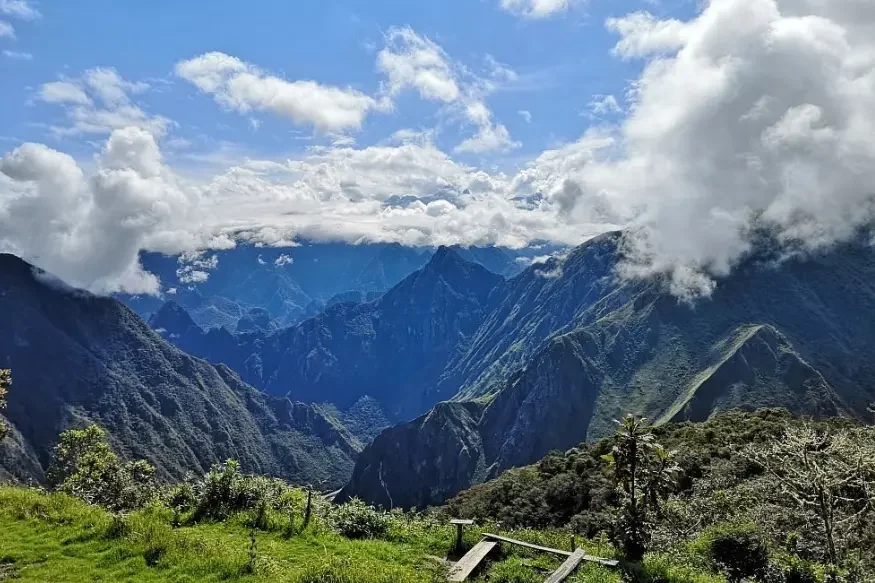
Table Of Content
Location and Altitude
Llactapata is situated on the eastern slopes of the Andes, overlooking the Aobamba Valley, at an altitude of approximately 2,840 meters (9,317 ft). It lies off the main Inca Trail but is accessible via alternative trekking routes like the Salkantay Trek.
What makes it truly special is its direct line-of-sight view of Machu Picchu, something very few sites can offer.
History of Llactapata
Llactapata was originally built during the reign of the Inca emperor Pachacuti in the 15th century. Like many Inca sites, it likely served multiple purposes:
- Agricultural production (terracing system)
- Administrative center
- Resting point for travelers and pilgrims heading to Machu Picchu
After the Spanish conquest, the site was abandoned and gradually reclaimed by the jungle. It remained largely forgotten until it was rediscovered in 2003 by explorer Hiram Bingham III’s legacy followers and modern researchers.
Why Llactapata is Unique
1. A Different View of Machu Picchu
Unlike the classic postcard view, Llactapata offers a rear-angle perspective of Machu Picchu. This angle reveals the urban planning and alignment of the citadel in a completely different way.
2. Astronomical Alignment
Researchers believe Llactapata may have had astronomical functions, possibly aligned with sunrise points during solstices—similar to other Inca ceremonial centers.
3. Off-the-Beaten-Path Experience
Because it’s not part of the standard Inca Trail route, Llactapata remains:
- Less crowded
- More authentic
- Ideal for travelers seeking exclusivity
Architecture and Features
Llactapata showcases classic Inca engineering:
- Agricultural terraces: Built to maximize crop production on steep terrain
- Stone structures: Likely used as storage or living quarters
- Water channels: Evidence of advanced hydraulic systems
- Ceremonial platforms: Possibly used for rituals and observations
The layout suggests it was both a functional and ceremonial site, supporting travelers and honoring spiritual beliefs.
How to Get to Llactapata
Via the Salkantay Trek
The most popular way to reach Llactapata is through the Salkantay Trek to Machu Picchu, typically on Day 4 of the route.
Highlights:
- Scenic descent into cloud forest
- Remote trails with fewer tourists
- Stunning first glimpse of Machu Picchu from afar
Alternative Routes
Some specialized tours also offer:
- Trekking from Santa Teresa
- Combination routes including Hidroeléctrica
Best Time to Visit
The ideal time to visit Llactapata is during the dry season:
- April to October: Clear skies and better visibility of Machu Picchu
- May to September: Peak trekking season
During the rainy season (November to March), trails can be muddy and visibility reduced.