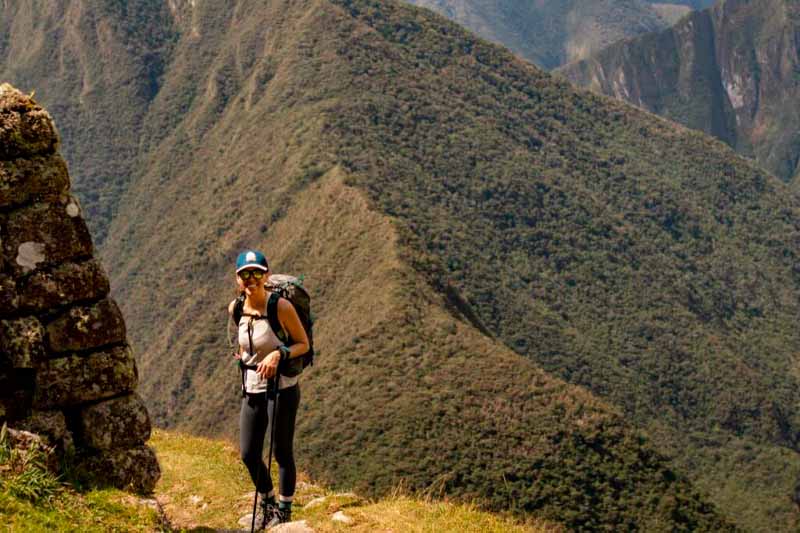
May to October
Drier season
More reliable visibility and firmer trail conditions, balanced by colder nights and stronger permit demand.
 Alt 4,215 m
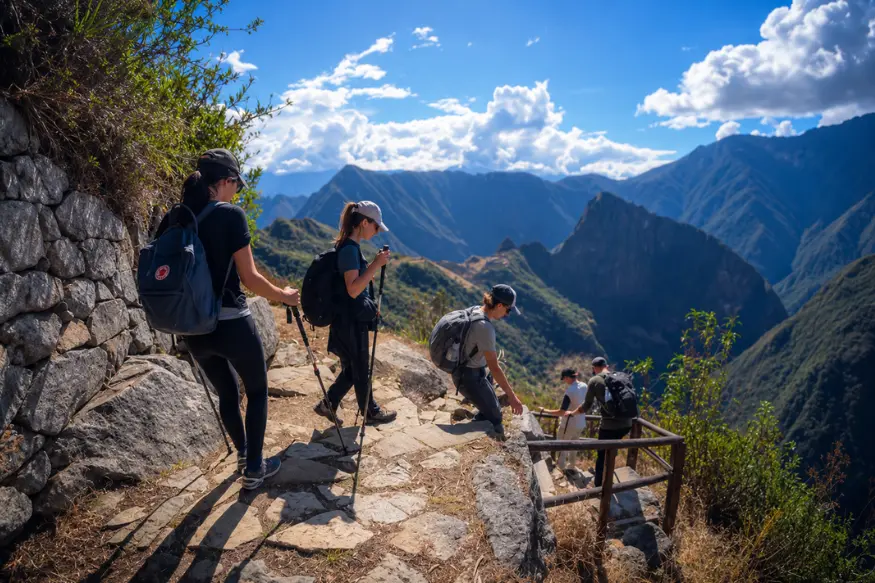
Weather, crowds and scenery
Compare every month by rainfall, visibility, crowd levels and permit demand before choosing your trek dates.
The central tradeoff
Cusco’s rainfall is strongly seasonal. The drier months generally offer more reliable views, while wetter months bring lush landscapes and more variable conditions.
May to October
More reliable visibility and firmer trail conditions, balanced by colder nights and stronger permit demand.

November to March
Greener scenery and generally less pressure, balanced by wetter stone, cloud and changing visibility. February is closed.
Twelve months at a glance
Conditions vary by elevation and from year to year. This guide shows the usual seasonal pattern, not a forecast for a specific departure.
Trail reopens; green scenery and lingering rain.
Greener landscapes with improving conditions.
Drier weather, clear views and strong demand.
Clearer skies, cold nights and high demand.
Cold mornings, bright days and peak crowds.
Reliable visibility with busy departures.
Warmer days and a gradual seasonal shift.
More cloud and rain, still many good windows.
Increasing showers and fewer peak-season groups.
Lush scenery, wet stone and variable visibility.
Frequent rain and slower trail conditions.
Annual conservation and maintenance period.
Choose by priority
More reliable visibility, with higher crowds and colder mornings.
Shoulder periods often soften demand but bring more weather variability.
Lush vegetation and cloud drama, with a greater chance of rain.
A practical compromise among visibility, temperature and demand.
February closure
SERNANP confirmed the full February closure in 2026 for maintenance, environmental recovery and visitor infrastructure work. Other Machu Picchu access routes may continue operating.
Season FAQs
Weather patterns help you plan, but mountain conditions can still change quickly on any departure.
May and September often provide the best balance of relatively dry weather, good visibility and slightly less peak-season pressure. The best month still depends on whether you prioritize weather, crowds or greener scenery.
The drier period generally runs from about April or May through October. June, July and August usually bring the clearest conditions, but also colder nights and stronger demand.
No. The regulated Inca Trail closes throughout February for annual conservation, maintenance and environmental recovery. Machu Picchu remains accessible by other authorized routes.
Yes, outside the February closure. Expect wetter stone, cloud, changing visibility and heavier rain protection needs, balanced by greener landscapes and generally lower demand.
Your dates meet real availability
Save your favorite Inca Trail routes and plan your journey to Machu Picchu.
Don’t have an account yet?