
Why Visit the Sacred Valley?
The sacred valley solves multiple travel intentions at once: history, culture, landscapes, and accessibility. It is one of the few places in South America where you can experience ancient Inca sites, traditional Andean villages, and stunning natural scenery in a single day.
Main reasons travelers visit the sacred valley
- Close proximity to Cusco (only 1 to 2 hours away)
- Lower altitude, ideal for acclimatization
- Important Inca archaeological sites
- Authentic Andean culture and local markets
- Scenic landscapes with mountains and rivers
- Gateway to Machu Picchu
For many travelers, the sacred valley becomes the highlight of their Peru itinerary, not just a stop on the way to Machu Picchu.
Where is the Sacred Valley Located?
Sacred Valley Map and Geography
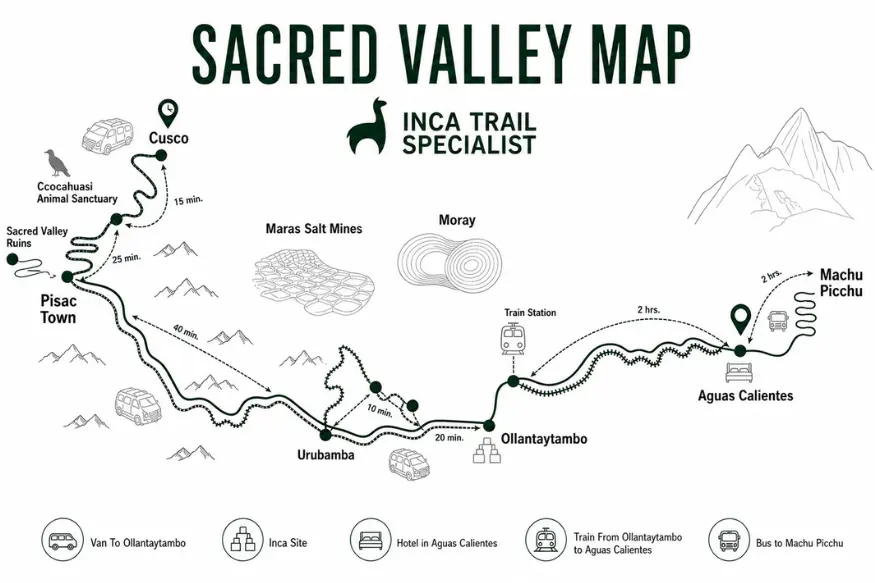
The sacred valley stretches through the Andes Mountains in southern Peru. It lies northeast of Cusco and follows the course of the Urubamba River, also known as the Vilcanota River.
Key towns in the sacred valley
- Pisac
- Urubamba
- Ollantaytambo
- Chinchero
Each of these towns offers a unique experience, from markets to ruins to cultural immersion.
Top Places to Visit in the Sacred Valley
Pisac Ruins and Market

Pisac is known for its impressive agricultural terraces and one of the most famous traditional markets in Peru.
What to do in Pisac
- Explore the Inca ruins on the mountainside
- Visit the artisan market in the town
- Buy handmade textiles and souvenirs
- Enjoy panoramic valley views
Pisac combines history and culture, making it one of the first stops in most sacred valley tours.
Ollantaytambo Fortress

Ollantaytambo is one of the best-preserved Inca towns and a living archaeological site.
Highlights of Ollantaytambo
- Massive stone terraces
- Temple of the Sun
- Original Inca urban layout
- Starting point for trains to Machu Picchu
This town is often the last stop before heading to Machu Picchu.
Chinchero Village

Chinchero offers a strong cultural experience with traditional weaving techniques still practiced today.
Why visit Chinchero
- Learn about natural dyeing techniques
- Visit colonial church built on Inca foundations
- Enjoy fewer crowds compared to other sites
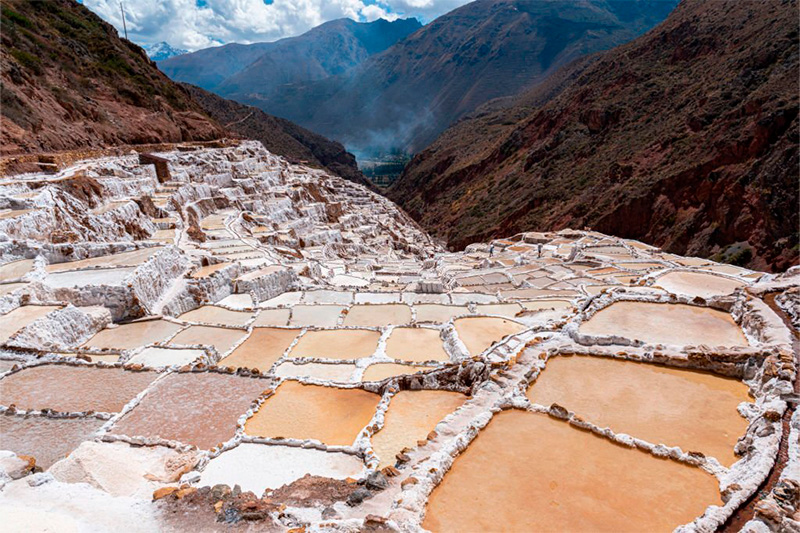
Maras Salt Mines and Moray Terraces
These two sites are often combined into one visit and provide a deeper understanding of Inca innovation.
What makes them unique
Maras: thousands of salt pools still used today
Moray: circular terraces believed to be agricultural laboratories

These places show how advanced Inca engineering truly was.
How to Visit the Sacred Valley
Travelers usually search for the easiest and most efficient way to explore the sacred valley. There are three main options.
1. Sacred Valley Tour (Most Popular)
Joining a guided tour is the easiest option.
- Includes transportation and guide
- Covers multiple sites in one day
- Ideal for first-time visitors
2. Private Tour
Best for flexibility and comfort.
- Customize itinerary
- Travel at your own pace
- More personalized experience
3. Independent Travel
For experienced travelers.
- Use public buses or taxis
- Requires more planning
- Can be cheaper but less efficient
Best Time to Visit the Sacred Valley
The sacred valley can be visited year-round, but weather plays an important role.
Dry season (April to October)
- Best time to visit
- Clear skies and great views
- Ideal for photography
Rainy season (November to March)
- Fewer tourists
- Greener landscapes
- Occasional rain and delays
Most travelers prefer the dry season, but the valley remains beautiful throughout the year.
Altitude in the Sacred Valley
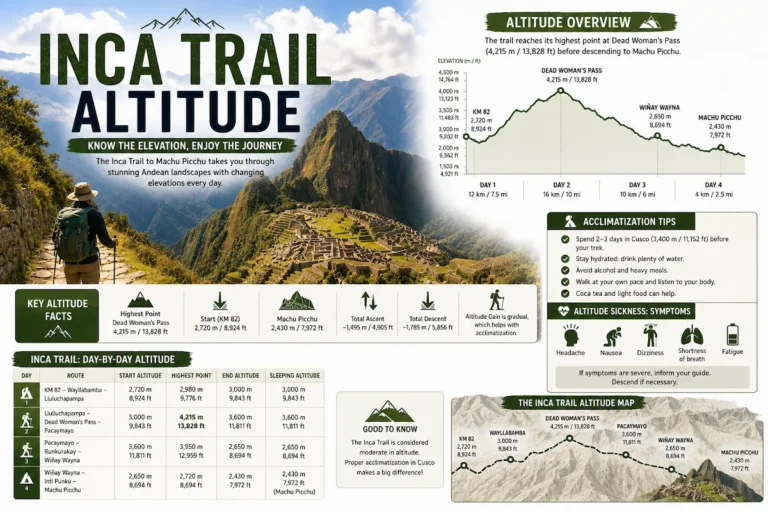
Altitude is one of the biggest concerns for travelers visiting Peru.
Sacred Valley altitude
- Lower than Cusco
- Average: 2,800 meters (9,186 ft)
This makes it a perfect place to acclimatize before heading to higher altitude destinations.
Sacred Valley vs Cusco: Which is Better?
This is a common search intention.
Cusco
- More historical buildings
- Higher altitude
- Vibrant nightlife
Sacred Valley
- More nature and landscapes
- Lower altitude
- Relaxed atmosphere
The best choice is not one or the other—it is both. Start in the sacred valley, then continue to Cusco.
Sacred Valley to Machu Picchu
The sacred valley is the main gateway to Machu Picchu.
Travel route
- Stay in Ollantaytambo
- Take the train to Aguas Calientes
- Bus to Machu Picchu
This route is smoother than departing directly from Cusco.
How Many Days Do You Need in the Sacred Valley?
Recommended time
- 1 day: quick overview
- 2 days: better experience
- 3 days: full exploration with less rush
If your schedule allows, spending at least 2 days is highly recommended.
What to Pack for the Sacred Valley
Packing correctly improves your experience.
Essentials
- Comfortable walking shoes
- Sunscreen
- Hat or cap
- Light jacket
- Water and snacks
- Camera
Weather can change quickly, so layering is important.
Travel Tips for the Sacred Valley
Practical advice
- Acclimatize properly before intense activities
- Carry cash for markets and small purchases
- Start early to avoid crowds
- Book tours in advance during high season
- Respect local culture and traditions
These small details can significantly improve your trip.
Is the Sacred Valley Worth It?
Absolutely.
The sacred valley is not just a stop on the way to Machu Picchu—it is a destination in its own right. It offers a perfect combination of history, culture, and natural beauty that few places in the world can match.
Whether you are interested in ancient civilizations, stunning landscapes, or authentic cultural experiences, the sacred valley delivers on all fronts.