High altitude
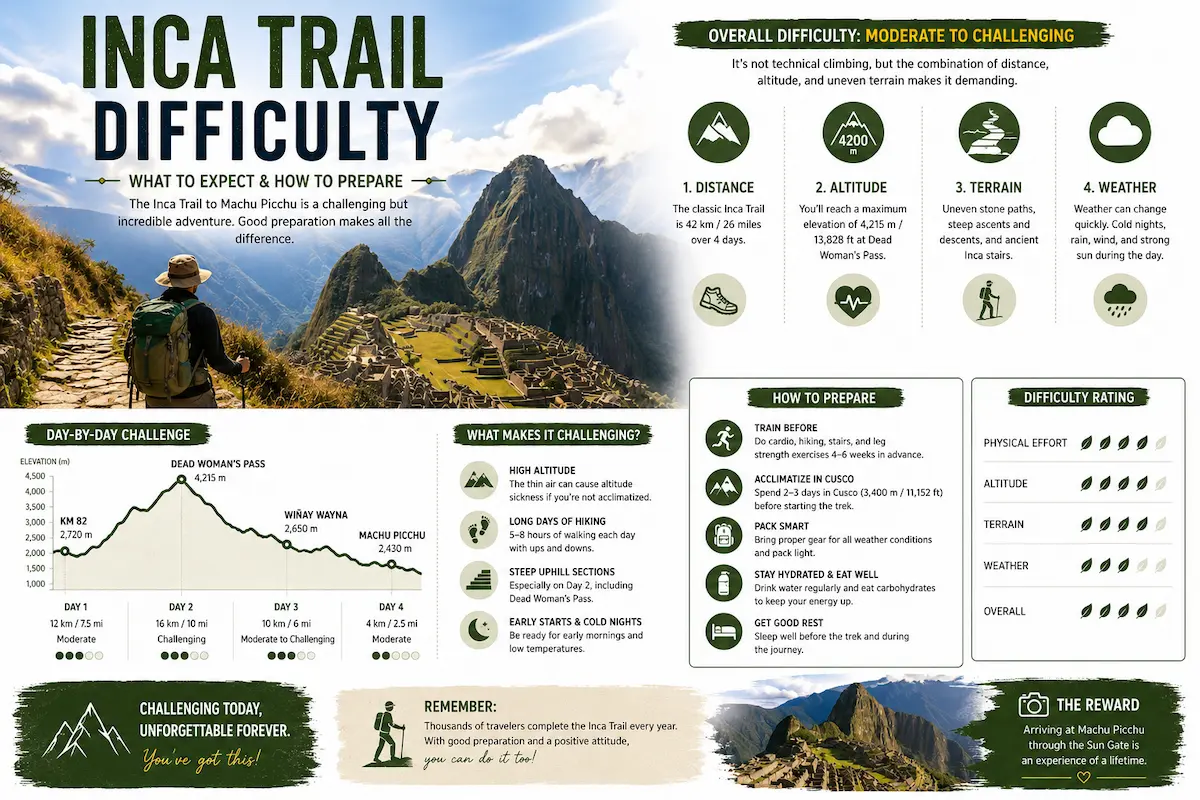
The route spends long periods above 3,000 metres, where breathing and recovery can feel slower.
 Alt 4,215 m
An honest effort assessment
Understand the altitude, climbing, stone stairs and consecutive hiking days before choosing the route that fits your experience.
What makes it difficult
A single factor rarely defines the trek. Altitude, steep terrain, weather and recovery combine differently for every traveler.
The route spends long periods above 3,000 metres, where breathing and recovery can feel slower.
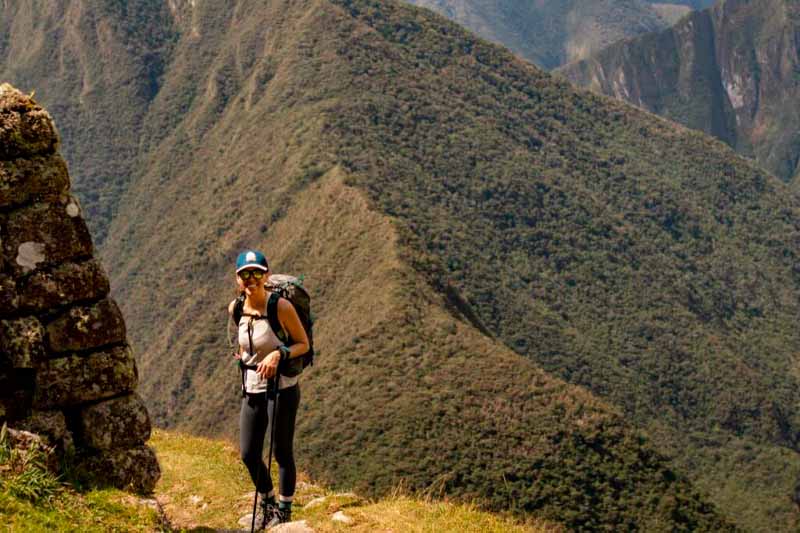
The climb toward Warmiwañusca is long and rewards a patient, controlled pace.
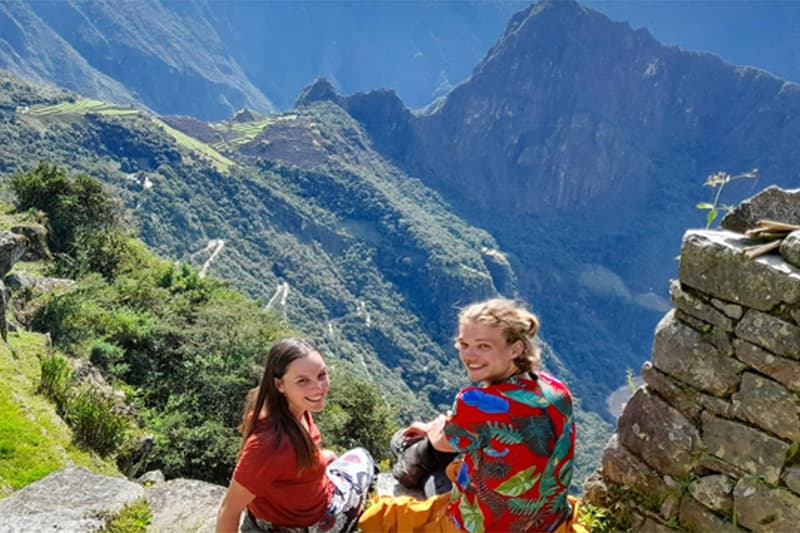
Uneven stairs demand strength on the climb and control during long descents.
Fatigue accumulates because your body must walk, recover and repeat.
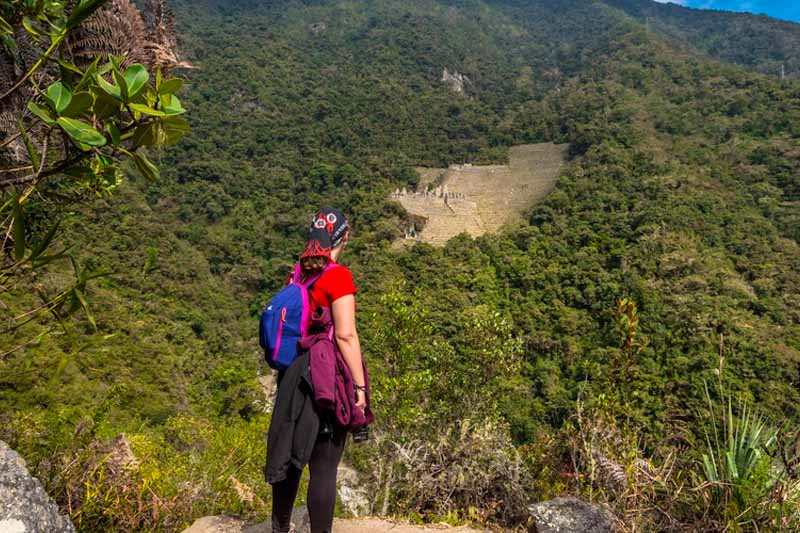
Cold passes, strong sun, rain and humid cloud forest can appear on the same journey.
Every unnecessary item increases the effort, especially during climbs and at altitude.
Classic route profile
The route climbs from the valley toward Warmiwañusca, the highest pass. The effort comes from sustained elevation gain combined with thinner air, not technical climbing.
 View the official SERNANP route overview
Day 1
Valley walking and the first sustained climbs introduce the terrain.
Day 2
A long ascent reaches the highest pass before descending toward camp.
Day 3
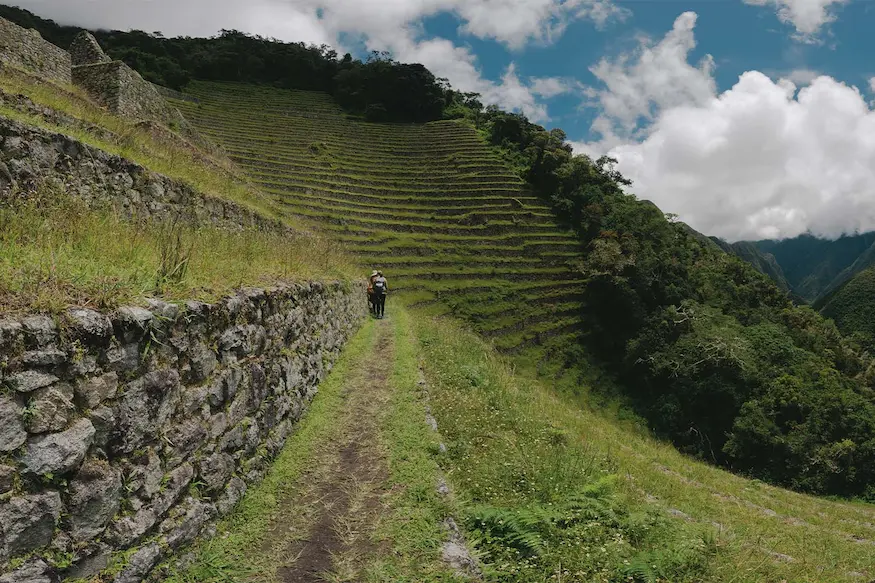
Multiple archaeological sites and extended stone descents challenge tired legs.
Day 4
An early departure and final steps lead through Intipunku to Machu Picchu.
Choose the right effort
Shorter routes avoid the highest pass and camping sequence, but they still include altitude, uphill stone steps and a full day on your feet.
Make the trail easier
Difficulty FAQs
Fitness helps, but acclimatization, pacing and realistic expectations are equally important.
The Classic Inca Trail is challenging but non-technical. The main demands are high altitude, sustained climbing, long stone stairways and four consecutive hiking days.
For most hikers, the climb to Warmiwañusca, or Dead Woman’s Pass, is the hardest section because it reaches roughly 4,200 metres after a sustained ascent.
A healthy beginner can complete the trek with suitable training, realistic pacing and time to acclimatize. Previous multi-day hiking experience is helpful but not mandatory.
Yes. The Short Inca Trail avoids the highest pass and consecutive camping days, but it still includes altitude, stone steps and a demanding uphill approach to Wiñay Wayna.
Choose the route for your body
Save your favorite Inca Trail routes and plan your journey to Machu Picchu.
Don’t have an account yet?