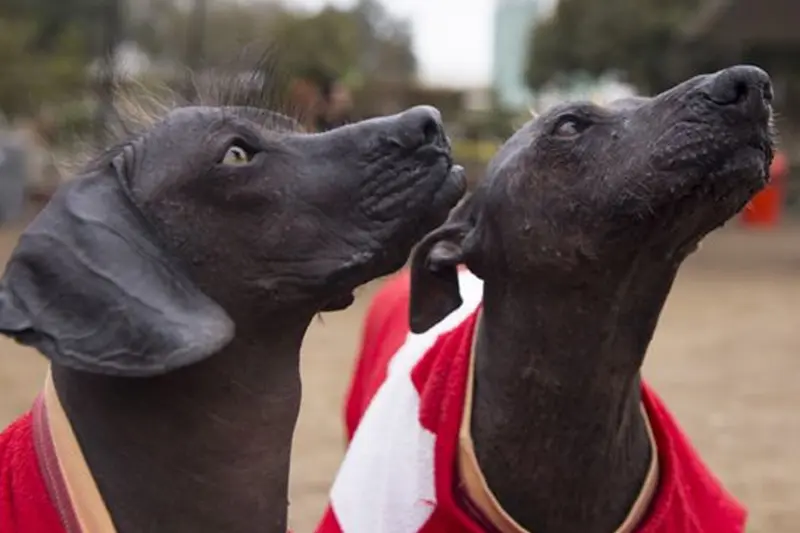
What Is the Peruvian Hairless Dog?
The Peruvian Hairless Dog is a rare hairless dog breed native to Peru. It is famous for:
- Hairless skin
- Elegant body structure
- Warm skin temperature
- Ancient origins
- Strong loyalty to owners
The breed is officially recognized by major international kennel organizations and is considered one of the most iconic animals associated with Peru.
History of the Peruvian Hairless Dog
The origins of the Peruvian Hairless Dog date back more than 1,000 years. Archaeologists have discovered ceramic representations of hairless dogs in ancient Peruvian cultures such as:
- Moche
- Chimu
- Vicus
- Chancay
These civilizations existed long before the Inca Empire and frequently included hairless dogs in pottery and artwork.
Later, during the Inca period, the breed continued to be valued and protected. Many historians believe the dogs were considered sacred or spiritually important.
Today, the Peruvian Hairless Dog is officially recognized as part of Peru’s cultural heritage.
Why Is the Peruvian Hairless Dog Hairless?
The breed’s hairlessness is caused by a natural genetic mutation. Most Peruvian Hairless Dogs have little or no fur, although some may have small patches of hair on the head, paws, or tail.
The same genetic trait is also linked to:
- Sensitive skin
- Missing teeth in some dogs
- Warm body temperature
Because they lack fur, these dogs require special skin care and protection from extreme weather.
Appearance of the Peruvian Hairless Dog
The Peruvian Hairless Dog has a slim, athletic, and elegant appearance.
Common physical features include:
- Hairless skin
- Long legs
- Narrow chest
- Pointed ears
- Smooth skin texture
- Curved tail
The breed comes in different sizes:
Small Size
- Around 25 to 40 cm tall
Medium Size
- Around 40 to 50 cm tall
Large Size
- Around 50 to 65 cm tall
Their skin colors vary widely and may include:
- Black
- Gray
- Brown
- Copper
- Pink
- Spotted patterns
Personality and Temperament
The Peruvian Hairless Dog is known for being:
- Loyal
- Intelligent
- Calm
- Protective
- Affectionate
These dogs usually form strong bonds with their families and can be cautious around strangers.
Many owners describe them as:
- Sensitive
- Alert
- Quiet indoors
- Energetic during exercise
Because of their intelligence, they respond well to positive training methods and early socialization.
Are Peruvian Hairless Dogs Good Family Pets?
Yes. Peruvian Hairless Dogs can be excellent family pets when properly socialized.
They are generally:
- Good with children
- Affectionate with owners
- Adaptable to apartments
- Loyal companions
However, they may be reserved around unfamiliar people and require regular interaction with humans.
Skin Care for the Peruvian Hairless Dog
Because they have little or no fur, skin care is extremely important.
Owners should:
- Apply dog-safe sunscreen
- Protect them from strong sun exposure
- Use moisturizing products when necessary
- Bathe them carefully
- Keep them warm in cold weather
Hairless dogs can sunburn easily, especially in hot climates.
Exercise and Activity Levels
The Peruvian Hairless Dog is an active and athletic breed.
They usually enjoy:
- Daily walks
- Running
- Playing
- Mental stimulation
Although active, they can adapt well to apartment living if exercised regularly.
Health and Lifespan
The Peruvian Hairless Dog is generally considered a healthy breed.
Common health considerations include:
- Sensitive skin
- Dental issues
- Sun sensitivity
- Cold sensitivity
The average lifespan is usually:
- 12 to 15 years
Regular veterinary care and proper skin protection are important for long-term health.
Peruvian Hairless Dog and Inca Culture
Many travelers associate the breed with the Inca civilization because of its historical presence in ancient Peru.
Although the breed existed before the Incas, it became closely connected to Andean culture and Peruvian identity over time.
Today, visitors can sometimes see Peruvian Hairless Dogs in:
- Museums
- Cultural sites
- Historic towns in Peru
The breed has become an important symbol of Peru’s cultural heritage.
Difference Between the Peruvian Hairless Dog and Xoloitzcuintli
The Peruvian Hairless Dog is often compared to the Mexican Xoloitzcuintli because both are ancient hairless breeds from Latin America.
Main differences include:
| Peruvian Hairless Dog | Xoloitzcuintli |
|---|---|
| Originated in Peru | Originated in Mexico |
| Slim and elegant build | More muscular body |
| Often linked to Inca culture | Linked to Aztec culture |
| Different breed standards | Different skull and body shape |
Both breeds share ancient origins and hairless genetics.
Is the Peruvian Hairless Dog Rare?
Yes. The Peruvian Hairless Dog is still considered relatively rare outside Peru.
Although popularity has increased internationally, the breed remains uncommon in many countries.
Peru actively promotes and protects the breed as part of its national identity.
Best Climate for a Peruvian Hairless Dog
Because they lack fur, these dogs do best in:
- Mild climates
- Warm temperatures
- Indoor environments
Cold weather may require:
- Dog sweaters
- Blankets
- Indoor sleeping areas
Strong sun exposure should also be limited.
FAQs About the Peruvian Hairless Dog
Is the Peruvian Hairless Dog really hairless?
Yes. Most dogs of this breed are naturally hairless, although some may have small patches of hair.
Is the Peruvian Hairless Dog hypoallergenic?
No dog is completely hypoallergenic, but hairless breeds may produce fewer allergens compared to heavily shedding breeds.
How old is the Peruvian Hairless Dog breed?
The breed is believed to be more than 1,000 years old and existed in ancient Peruvian cultures before the Inca Empire.
Can Peruvian Hairless Dogs live in cold climates?
Yes, but they need protection such as sweaters and warm indoor environments because they are sensitive to cold weather.
Are Peruvian Hairless Dogs friendly?
Yes. They are usually affectionate, loyal, and protective with their families.
Why is the Peruvian Hairless Dog important in Peru?
The breed is considered part of Peru’s national cultural heritage and represents an important connection to ancient Peruvian civilizations.