

Is March a Good Time to Hike the Inca Trail?
Yes — March can be an excellent time to hike the Inca Trail if you are prepared for rainy conditions.
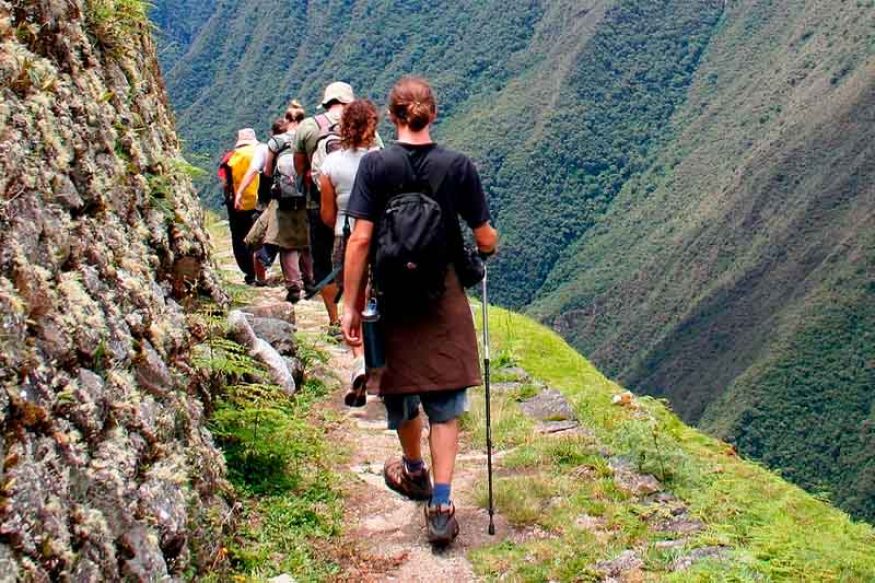
One of the biggest advantages of hiking during March is the scenery. The Andes become intensely green after the rainy season, rivers flow strongly through the valleys, waterfalls appear along the trail, and the cloud forest near Machu Picchu looks vibrant and alive.
Unlike the peak tourist season, March also brings fewer crowds. Campsites, archaeological sites, and trekking routes are generally quieter compared to June, July, and August.
Temperatures during March are also slightly warmer than the colder dry-season months. Daytime hiking conditions are often comfortable, especially at lower elevations.
However, there are also disadvantages. Rain can occur frequently, especially during the afternoons. Some sections of the trail may become muddy or slippery, particularly the famous stone staircases built by the Incas centuries ago.
Visibility can also change quickly. Some mornings offer crystal-clear mountain views, while others may bring fog and mist over the valleys.
Still, many travelers consider the misty atmosphere one of the most magical aspects of hiking the Inca Trail in March.
Is the Inca Trail Open in March?
Yes, the Inca Trail is open during March.
The only month when the Classic Inca Trail officially closes is February. During that time, maintenance and conservation work are carried out along the route because of heavy rainfall.
By March, trekking operations resume normally, and both the 4-Day Inca Trail and 2-Day Short Inca Trail become available again.
Because March falls just after the reopening period, the trail often feels fresher and less crowded than later months.
Although permit demand is lower compared to peak season, booking in advance is still recommended because permits remain limited every day.
Inca Trail Weather in March

Weather on the Inca Trail during March can be unpredictable.
Rain is common, but it usually does not rain nonstop all day. Many mornings begin with partial sunshine or cloudy skies, while rain showers often develop later in the afternoon.
Daytime temperatures generally range between 18°C and 22°C (64°F to 72°F) at lower elevations. Nights can become much colder at high-altitude campsites, especially near Dead Woman’s Pass.
Humidity levels are high because March is still part of the wet season. The combination of fog, clouds, light rain, and green vegetation creates a very different atmosphere compared to the dry months.
Some hikers actually prefer these dramatic weather conditions because the mountains feel more mystical and photogenic.
Machu Picchu itself can experience changing conditions throughout the day. It is common to see clouds surrounding the citadel during the early morning before slowly clearing later.
Trail Conditions During March
Trail conditions during March are generally manageable, but hikers should expect wet and slippery sections.
The famous Inca stone steps can become slick after rainfall, especially during steep ascents and descents. Good hiking boots with strong grip are essential.
Some sections of the trail may contain mud, particularly inside the cloud forest areas closer to Machu Picchu.
On the positive side, the rivers and waterfalls become extremely impressive during March. Many parts of the route feel more alive compared to the dry season when vegetation becomes less vibrant.
The physical difficulty of the Inca Trail also increases slightly during March because wet terrain requires more attention and balance while hiking.
Trekking poles can help significantly, especially on downhill sections.
What to Pack for the Inca Trail in March
Packing properly is extremely important if you plan to hike the Inca Trail during March.
The most essential items are waterproof clothing and quick-drying layers. Weather conditions can change rapidly in the Andes, and staying dry is critical for comfort during the trek.
A high-quality waterproof jacket is absolutely necessary. Rain pants are also highly recommended, especially for the Classic 4-Day Inca Trail.
Waterproof hiking boots are one of the most important pieces of gear you can bring. Shoes with poor grip can make the slippery stone staircases dangerous.
Quick-dry hiking shirts and pants work much better than cotton clothing because they dry faster after rain or sweat.
Extra socks are essential because wet feet can quickly become uncomfortable during multi-day hikes.
Many experienced hikers also bring dry bags or waterproof covers to protect cameras, phones, batteries, and passports from moisture.
Even though March is warmer than the dry season, temperatures at night can still become cold at higher elevations, so warm layers remain necessary.
What the Inca Trail Looks Like in March
March is one of the greenest months of the entire year on the Inca Trail.
The mountains surrounding the route become covered in lush vegetation, and the cloud forest areas near Wiñay Wayna look spectacular.
Wildflowers and orchids begin appearing throughout parts of the trail, adding even more color to the scenery.
Fog and clouds frequently move through the valleys, creating dramatic landscapes that feel incredibly atmospheric.
Waterfalls become much stronger after weeks of seasonal rain, and many hikers say the trail feels more alive during March compared to the dry months.
Photography during March can also be incredible because the clouds create constantly changing light conditions over the mountains.
Crowds on the Inca Trail in March
One of the best reasons to hike in March is the lower number of tourists.
The busiest months on the Inca Trail are typically June, July, and August. During those months, campsites and trekking routes become much more crowded.
March offers a quieter experience with fewer groups on the trail.
This allows hikers to enjoy archaeological sites, mountain views, and campsites in a more peaceful environment.
Because tourism begins increasing again after the February closure, March sits in a very interesting period where conditions improve while crowds remain relatively low.
Is March Better for the Classic Inca Trail or the Short Inca Trail?
Both options can work very well during March.
The Classic Inca Trail offers the full trekking experience through mountain passes, ancient ruins, cloud forests, and multiple campsites. However, rainy conditions make the trek slightly more demanding.
The Short Inca Trail can be a great alternative for travelers who want a shorter hike with lower physical difficulty while still experiencing the famous Sun Gate entrance to Machu Picchu.
If you are concerned about hiking multiple days in wet weather, the 2-Day option may feel more comfortable.
How to Prepare for the Inca Trail in March
Preparing for March conditions involves more than just physical training.
Hikers should prepare mentally for changing weather conditions. Rain, fog, and muddy sections are all part of the experience during this season.
Arriving in Cusco several days early is highly recommended to acclimatize properly before the trek.
Altitude can feel more difficult when combined with wet weather and cold nights.
Physical preparation should include cardio training, hiking practice, and leg endurance exercises before arriving in Peru.
Choosing a reliable tour operator is also especially important during the rainy season because experienced guides know how to manage changing trail conditions safely.
March vs Other Months on the Inca Trail
March offers a very different experience compared to the peak dry-season months.
Compared to April and May, March is wetter but also greener.
Compared to January, March usually brings slightly more stable trekking conditions.
Compared to February, March is much better because the Inca Trail reopens after its annual closure.
Compared to June or July, March has fewer tourists and greener landscapes but also more rain.
There is no perfect month for every traveler. The best month depends on whether you prioritize dry weather, smaller crowds, greener scenery, or photography opportunities.
Should You Hike the Inca Trail in March?
Absolutely — if you are comfortable with rainy-season trekking.
March can be one of the most beautiful months to experience the Inca Trail because the landscapes are incredibly green, the crowds are smaller, and the atmosphere feels magical.
The key to enjoying the trek is proper preparation. Waterproof gear, good hiking boots, layered clothing, and realistic expectations about weather conditions will make a huge difference.
For travelers who want quieter trails, dramatic scenery, and a more adventurous trekking experience, hiking the Inca Trail in March can be unforgettable.
FAQs About the Inca Trail in March
Does it rain every day on the Inca Trail in March?
Not necessarily. Rain showers are common, but many days still include sunshine, cloudy skies, or partial clearing.
Is March part of the rainy season in Peru?
Yes. March falls near the end of the rainy season in the Peruvian Andes.
Is the Inca Trail dangerous in March?
The trail is generally safe, but wet and slippery sections require extra caution.
Can beginners hike the Inca Trail in March?
Yes, beginners can hike it if they prepare physically and use proper equipment.
Is Machu Picchu foggy in March?
Sometimes. Early mornings often have mist and cloud cover, but conditions may improve later in the day.
How far in advance should I book?
Booking several months in advance is recommended, especially for the Classic Inca Trail.
Is March cheaper than peak season?
In some cases, yes. Prices and availability can be more flexible compared to June through August.
What is the best clothing for March trekking?
Waterproof layers, hiking boots, quick-dry clothing, and warm nighttime layers are essential.