
Where Is Wayllabamba Located?
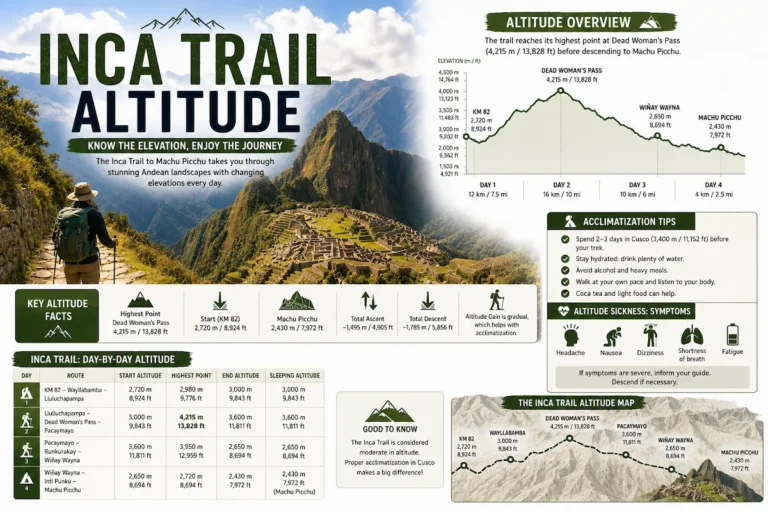
Wayllabamba is located along the Classic Inca Trail in the Cusco region of Peru. The village sits at approximately 3,000 meters (9,842 feet) above sea level in a green valley surrounded by mountains.
Most hikers reach Wayllabamba during the first day of the Classic Inca Trail after starting the trek near Kilometer 82, the traditional entrance to the route.
Because of its location, Wayllabamba becomes an important resting point before hikers continue climbing toward Dead Woman’s Pass, the highest point of the Inca Trail.
Why Is Wayllabamba Important on the Inca Trail?
Wayllabamba is important because it is usually the first overnight campsite on the Classic Inca Trail. After several hours of hiking through valleys and small archaeological sites, travelers arrive here to eat dinner, rest, and prepare for the next day.
The second day of the Inca Trail is considered the hardest part of the trek because hikers must climb to Dead Woman’s Pass at over 4,200 meters (13,800 feet). For this reason, Wayllabamba plays a key role in helping travelers recover before the most difficult section begins.
The area is also one of the last places on the trail where hikers pass through small local communities and agricultural land before entering more remote mountain terrain.
What Is the Hike to Wayllabamba Like?
The hike to Wayllabamba is usually considered moderate compared to the rest of the Inca Trail. Most travelers spend the first day walking through valleys, crossing rivers, and gradually gaining altitude.
Unlike the steeper sections later on the trail, the route to Wayllabamba feels more relaxed and allows hikers to adjust slowly to the altitude.
Along the way, travelers often enjoy:
- mountain scenery
- small villages
- Inca ruins
- river views
- green agricultural landscapes
Although the first day is not the hardest part of the trek, hikers can still feel tired because of the altitude and long walking distance.
Altitude in Wayllabamba
Wayllabamba sits at around 3,000 meters (9,842 feet) above sea level, which is already higher than many cities around the world.
Because of this altitude, proper acclimatization in Cusco or the Sacred Valley before starting the trek is very important.
Some hikers may experience mild symptoms such as:
- headaches
- shortness of breath
- fatigue
Drinking water, walking slowly, and resting properly can help reduce altitude-related discomfort.
Camping in Wayllabamba
Camping in Wayllabamba is one of the most memorable parts of the Inca Trail experience. The campsite is surrounded by mountains and nature, creating a peaceful atmosphere during the evening.
Most tour operators provide:
- tents
- sleeping equipment
- dinner and breakfast
- porter assistance
At night, temperatures can become cold, especially during the dry season from May to August.
Many hikers enjoy sitting outside their tents, looking at the mountains, and preparing mentally for the challenging climb waiting the next morning.
Weather in Wayllabamba
The weather in Wayllabamba changes throughout the year depending on the season.
During the dry season from April to October, hikers usually experience:
- sunny days
- cooler nights
- clearer mountain views
During the rainy season from November to March, rain becomes more common and trails may become muddy.
Even during the dry season, weather in the Andes can change quickly, so layered clothing and waterproof gear are always recommended.
Wayllabamba and Dead Woman’s Pass
One of the main reasons hikers remember Wayllabamba is because it comes right before the climb to Dead Woman’s Pass.
The second day of the trek begins with a steep uphill hike from Wayllabamba toward the highest point of the Inca Trail. This section is physically demanding and often considered the toughest day of the entire journey.
For this reason, resting properly in Wayllabamba is extremely important.
Many hikers wake up very early in the morning to begin the climb before temperatures rise and crowds become larger on the trail.
Flora and Scenery Around Wayllabamba
The area around Wayllabamba is known for its green valleys and beautiful mountain scenery.
Travelers often see:
- rivers
- waterfalls
- native plants
- hummingbirds
- cloud forest vegetation
Compared to the higher and colder sections of the Inca Trail, Wayllabamba feels greener and more fertile because of its lower altitude and warmer temperatures.
Tips for Hiking to Wayllabamba
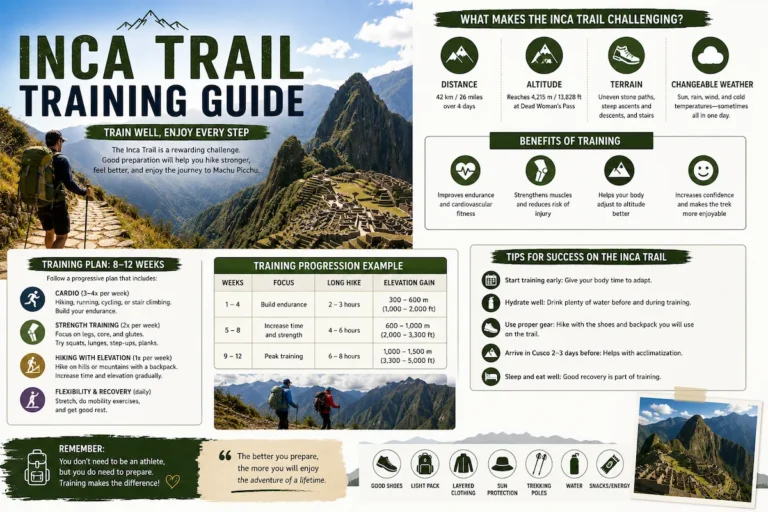
The first day of the Inca Trail may feel easier than the following days, but hikers should still pace themselves carefully.
It is important to:
- stay hydrated
- avoid hiking too fast
- eat properly
- rest well
- acclimatize before the trek
Many experienced guides recommend saving energy during the first day because the hardest climb comes after leaving Wayllabamba.
FAQs About Wayllabamba
What is Wayllabamba?
Wayllabamba is a small village and campsite located on the Classic Inca Trail to Machu Picchu.
Where is Wayllabamba located?
It is located along the Inca Trail in the Cusco region of Peru.
What altitude is Wayllabamba?
Wayllabamba sits at approximately 3,000 meters (9,842 feet) above sea level.
Is Wayllabamba the first campsite on the Inca Trail?
Yes. Most Classic Inca Trail itineraries spend the first night in Wayllabamba.
Is the hike to Wayllabamba difficult?
The first day is usually considered moderate and easier than later sections of the Inca Trail.
Why is Wayllabamba important?
Wayllabamba is the resting point before the difficult climb to Dead Woman’s Pass.